

Mills Chevrolet - How to Choose Tires and Brake Pads for a Chevy Silverado 1500 in Bettendorf, IA
Tire and brake choices that match real Bettendorf driving
Daily life in Bettendorf often includes short hops along Middle Road, steady-state cruising across the I-74 bridge, and weekend drives that may include gravel pull-offs near the river or a quick trip to a boat ramp. Your Chevy Silverado 1500’s tires and brake pads should be selected for that mix—quiet and composed on smooth pavement, confident when the pavement ends, and ready to stop predictably with or without a trailer. Start with the tire size and load rating on your door-jamb placard; that specification keeps handling and safety systems calibrated. Then consider tread design: an all-season highway tread favors low noise and even wear, while an all-terrain pattern adds biting edges and stronger sidewalls for rougher shoulders and utility access. For brakes, pad formulation matters: ceramic formulas keep wheels cleaner and reduce noise in city traffic, while semi-metallic options manage heat better under heavier loads.
If your commute runs the I-74 corridor most days and your Silverado spends weekdays unladen, a quality highway-terrain tire with a continuous center rib can lower cabin noise and improve on-center feel. If you regularly tow through town to Crow Creek or launch on the Illinois side, confirm your tire’s load index matches your real-world trailer tongue weight and gear. For brake pads, think in terms of energy: more mass, steeper grades, and longer braking zones generate more heat. When you expect those conditions, a semi-metallic or performance-oriented ceramic pad matched to GM rotor metallurgy helps prevent fade and maintains a consistent pedal, especially when descending into tighter riverfront intersections.
Clear signs your Silverado needs tires or brakes
Listen and feel for early warnings. Feathered tire shoulders can indicate alignment drift after a pothole, while cupping suggests suspension or balance issues. A slow drift to one side is another alignment cue and will prematurely wear even new tires. For brakes, a brief chirp may be a wear indicator, but sustained squeal, grinding, or a steering-wheel shimmy under braking all signal it is time to inspect pads and rotors. A soft pedal or a pull under braking needs prompt attention because it can lengthen stopping distances exactly when you need grip, like turning left from State Street with oncoming traffic closing fast. When you detect these symptoms, plan a rotation and inspection. Rotating at about 7,500 miles maintains even wear, and a four-wheel alignment resets geometry to minimize rolling resistance and shoulder scrub.
How to pick the right Silverado tire by use case
Think about your miles as percentages: if you are 90 percent highway and 10 percent gravel, a highway-terrain tire with a silica-enhanced compound and multi-angle sipes will disperse water and stay quiet. If you are closer to 60/40 with jobsite access and occasional trails, an all-terrain tread with staggered shoulder blocks and stone ejectors will resist punctures and clear debris. Confirm the tire’s speed rating meets or exceeds your truck’s placard and choose a load index that can handle typical payloads without exceeding the tire’s limits. Also maintain proper inflation; underinflated tires run hot and take longer to stop, which matters when crossing the bridge in crosswinds or merging onto I-80. A monthly cold-pressure check keeps your TPMS honest and prevents premature wear.
Winter-rated all-terrains can add flexibility if you frequently encounter wet leaves on winding roads or muddy shoulders near park entrances. Conversely, if you haul and tow heavy, consider an LT-designated option with a sturdier carcass. Your Silverado’s ride will firm up slightly, but you’ll gain stability under load and better resistance to punctures from construction debris. Finally, check rolling diameter when you change tire types; staying close to the OEM spec preserves speedometer accuracy, transmission shift logic, and driver-assistance calibrations.
Brake pad formulas and rotor choices explained
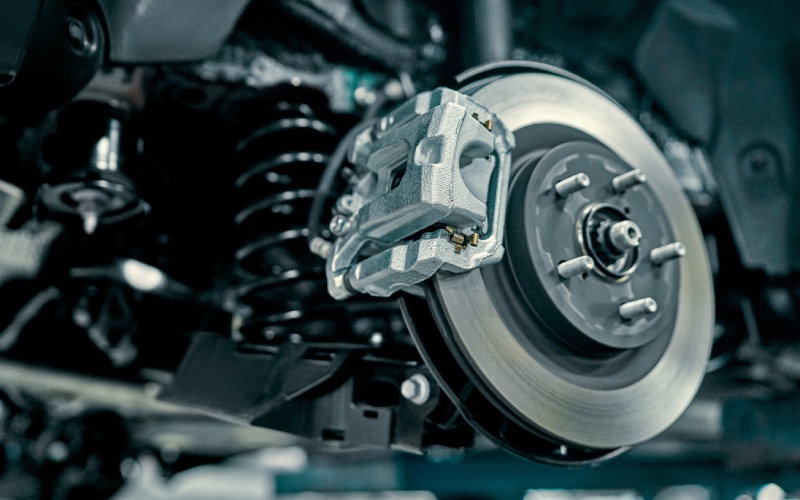
Pad friction material sets the tone for noise, dust, and heat control. Ceramic pads are popular for daily commuting because they are quiet and keep wheels cleaner, making them a great fit for Bettendorf errands and bridge runs with light loads. Semi-metallic pads handle heat spikes better, which matters if you tow a camper to weekend sites or carry tools in the bed. Look for pads validated to GM standards so pedal feel and anti-lock function stay consistent. Rotors should be free from deep scoring, blue heat marks, and excessive runout. If you routinely descend longer grades with a trailer, ask about rotors with improved cooling vanes to manage temperature and reduce the chance of brake judder later.
Do not overlook hardware and lubrication. New abutment clips, properly applied high-temperature grease at contact points, and clean hub faces help your new pads and rotors bed in smoothly. That small attention to detail shortens stopping distances and cuts noise. If your truck displays a brake-pad life monitor, treat that as an early reminder—not the final word. A quick measurement of pad thickness and rotor condition provides a more exact timeline for service.
Ordering parts and getting them installed
Have your VIN ready when you order—this prevents mis-matches from mid-year changes or trim-specific brake packages. If you are planning a tire change, share your driving profile and typical payload or trailer weight. That context helps our team recommend tread patterns and load ratings that match your routes. For brakes, let us know whether towing is frequent, occasional, or rare. We can then match pad formulas and rotor designs to your use case so you do not trade away quiet performance you value every day for track-level bite you never need. If you prefer professional installation, our Certified Service partners complete the job with torque-checked fasteners, road tests, and any required system resets.
- VIN details: Confirms brake package, axle ratio, and electronics compatibility.
- Driving profile: Highway vs. mixed-surface miles influence tread and pad selection.
- Load information: Payload and towing shape tire load index and pad/rotor heat capacity.
- Future plans: Lift kits, wheel changes, or trailer upgrades can change ideal specs.
Frequently Asked Questions:
How do I know my Silverado’s tires still meet load requirements after accessories?
Check the tire’s load index against your new curb weight plus typical payload. If you added gear or a bed cap, you may need a higher-index tire to keep reserve capacity for towing and braking margins.
Should I choose ceramic or semi-metallic brake pads for light towing?
For occasional light towing, performance-oriented ceramic pads matched to GM rotors can balance quiet operation with better heat control. If towing is frequent and heavier, semi-metallic is often the safer bet for fade resistance.
Do I need new rotors every time I replace pads?
Not always. Rotors within thickness specs and free of deep scoring or runout may be reused after a proper surface preparation. Replace rotors that are worn below minimum, heat-checked, or causing pulsation.
What is the best way to maintain even tire wear on my truck?
Rotate about every 7,500 miles, keep pressures at the door-jamb spec when cold, and schedule an alignment after pothole hits, curb strikes, or when you notice a steering pull.
Can I buy OEM parts online and pick them up the same day?
Yes—order by VIN, and parts in local stock are typically available for same-day pickup. For specialty items, we will provide an ETA and contact you when they arrive.
When you want expert part matching, straightforward guidance, and components that preserve your truck’s engineered feel, our team is ready to help. We support quick pickups for Bettendorf residents and convenient access across the bridge to our parts counter in Davenport, IA. Whether you need a quiet highway tire, an all-terrain set with stronger sidewalls, ceramic pads for smooth commutes, or heavy-duty brake components for towing, we will help you choose with confidence and back it up with professional installation options at Mills Chevrolet.