

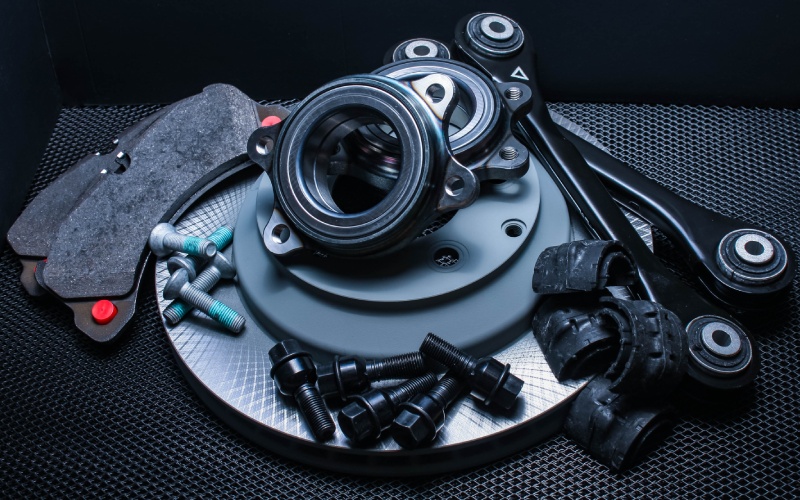
Mills Chevrolet - Brake pad and rotor replacement timing and warning signs in Davenport, IA
Daily life in Davenport demands a lot from your braking system—morning merges near the I-74 interchange, stop-and-go traffic along Elmore Ave, and quick slowdowns around busy school zones. Understanding when to replace brake pads and rotors keeps stopping distances consistent and prevents costlier repairs down the line. This guide explains real-world timing, clear symptoms to watch for, what a professional inspection includes, and how Davenport and neighboring Quad Cities roads can accelerate wear.
How often should brakes be replaced in Davenport?
Brake pad life varies widely—often 30,000 to 60,000 miles—but your exact timing depends on driving style, terrain, and traffic density. Regular city driving with frequent stops shortens pad life compared with steady highway miles on I-80. Hills, heavy cargo, and towing add heat and friction, hastening wear. Rotors last longer than pads, but heat cycles and corrosion can thin them below specification. Because the Quad Cities mix damp river air with winter salt, rotors can develop surface rust that leads to pulsation if not addressed. A good rule: have brakes inspected at every tire rotation so an expert can measure pad thickness and rotor condition before you feel performance changes.
Driving patterns around Davenport can nudge intervals earlier. Short commutes with rapid decelerations, weekend trips with full passenger loads, and crossings near construction zones all demand strong, smooth braking. When maintenance is aligned with your route—rather than a generic timeline—you keep control, comfort, and safety consistent all year.
Clear signs your pads or rotors need attention
Brakes typically signal their condition long before performance becomes unsafe. Do not ignore changes in feel or sound; small issues can escalate to rotor damage and caliper stress. Watch and listen for the following indicators during your normal Davenport routes.
- Squealing or chirping at low speeds
- Grinding sounds that persist while braking
- Steering wheel or pedal vibration on downhill stops
- Longer stopping distances or a soft pedal
- Pulling to one side during braking
- Brake warning lights or digital pad-life alerts
Squeals usually point to pad wear indicators contacting the rotor. Grinding often means pads are worn to backing plates, which can score rotors quickly. Vibration may stem from rotor thickness variation or uneven deposits. If you experience any of these, schedule an inspection promptly to avoid compounding costs.
What a professional brake inspection includes
A thorough brake check begins with wheel removal and precise measurements. Technicians record pad thickness, inspect pad surfaces for glazing or cracking, and mic the rotors to compare against minimum thickness and runout limits. Hoses and lines are examined for leaks or abrasions, and caliper slide pins are checked for smooth movement. In the Quad Cities, where winter salt and moisture are common, corrosion checks on backing plates, hardware, and shields are essential to prevent binding and uneven wear. If replacement is recommended, quality components—matched to your vehicle’s original specifications—restore quiet operation and predictable pedal feel.
Just as important is proper break-in after service. A short bed-in procedure evenly transfers pad material to rotors, helping eliminate squeaks and future pulsation. Your service advisor will explain the steps so your first drive around Kimberly Road or the I-74 bridge feels confident.
How local conditions affect brake longevity
City arteries like Brady Street and Welcome Way see frequent speed changes that add heat to the braking system. River moisture can increase corrosion on rotors when vehicles sit overnight, and seasonal construction funnels traffic into tighter corridors, amplifying stop-and-go friction. If you alternate between downtown errands and weekend highway trips, your brakes face mixed patterns of heat soak and cooling that can produce uneven wear without regular inspections. Aligning pad material and rotor quality with your usage—commuting, carpooling, towing, or ride-share driving—protects your investment and the predictability you need in day-to-day traffic.
For households juggling multiple brands, choosing a shop that services all makes and models streamlines the process. Coordinated appointments around oil changes or tire rotations keep your family fleet’s maintenance simplified and synchronized.
When it is time to replace pads and rotors, look for service that pairs technical precision with locally tuned advice. One visit should include a test drive to confirm pedal feel, component measurements against factory specs, and a multi-point check to flag related wear items, such as tires that show cupping from aggressive stops or dampers that struggle to control weight transfer. Done right, post-service braking will feel linear, quiet, and confidence-inspiring on every drive—whether you are cruising River Drive or merging near Bettendorf, IA.
Frequently Asked Questions:
How do I estimate my remaining pad life between visits?
Listen for new sounds, note any vibration, and ask for pad-thickness readings at every rotation. If your pads are under 4 mm, plan on replacement soon, especially if your routine includes heavy traffic or towing.
Do I need to replace rotors with every pad change?
Not always. Rotors must be above minimum thickness, within runout limits, and free of deep scoring. If they cannot meet those specs after resurfacing, replacement ensures quiet, smooth stops and even pad wear.
What causes brake pulsation I feel through the steering wheel?
Rotor thickness variation or uneven pad deposits often create pulsation. Heat from repeated hard stops can amplify the effect. Inspection and proper rotor service or replacement resolve the issue.
Can my driving style extend brake life?
Yes. Look ahead to reduce abrupt stops, leave more space in traffic, and downshift gently on hills where appropriate. Combining smooth inputs with timely inspections maximizes longevity.
When you want expert guidance, factory-level parts, and service that fits Davenport’s driving environment, schedule with Mills Chevrolet for professional brake inspections, pad and rotor replacements, and multi-point checks aligned to your routine. Our team is close to home, easy to reach online, and ready to help you stop with confidence every day.